5 Budget Cameras to Start Surf Photography (From $9)
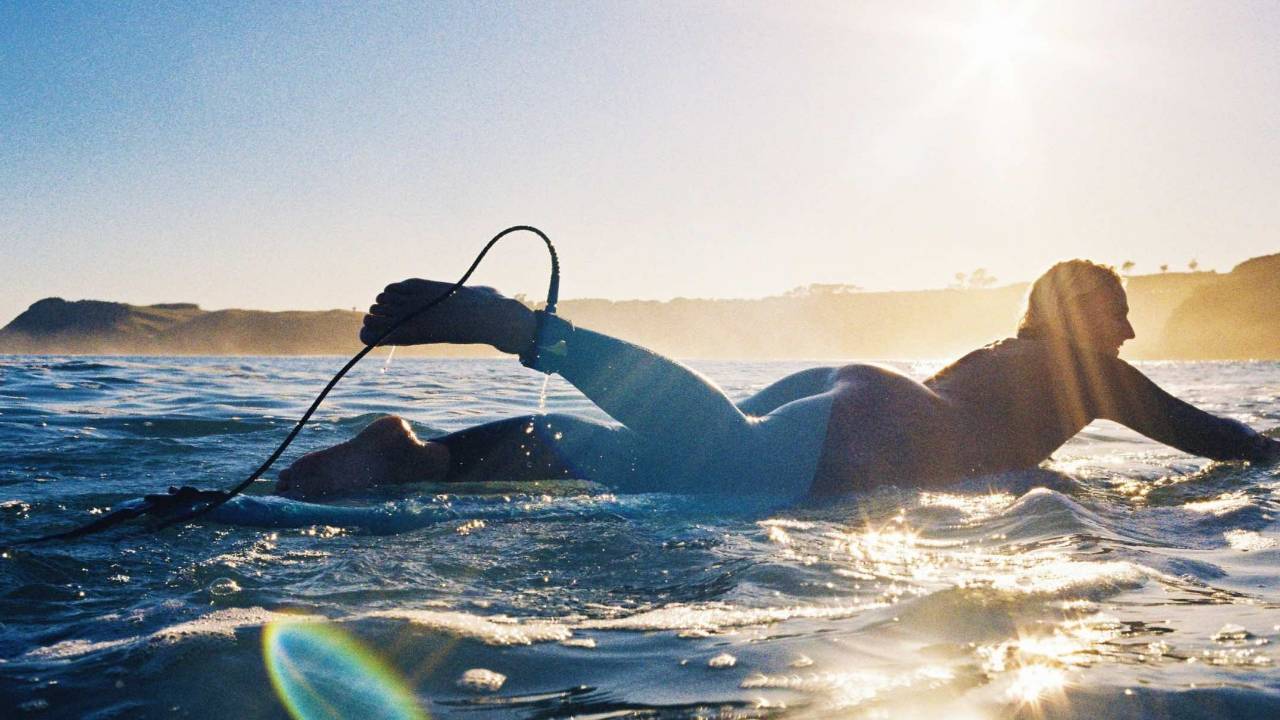
You don't need a $5,000 camera to start surf photography. You can start with a $9 waterproof film camera and I'll show you exactly which one.
I'm Leonie, a professional surf photographer based in Whaingaroa (Raglan), New Zealand. I've photographed 2,000+ women in the surf and taught 200+ women how to shoot from the water. And I started with gear that cost less than a wetsuit.
When I was beginning, the biggest thing holding me back was thinking I needed expensive gear. So here are the five budget-friendly cameras I recommend to every beginner, from cheapest to most expensive, plus the exact setup I upgraded to once I knew I loved it.
Quick answer: the best budget camera for surf photography is a cheap waterproof film camera (around $9). If you want digital, a waterproof phone case or an action camera like a GoPro is the next step up.
Want the full beginner walkthrough? Watch my FREE masterclass to starting surf photography on a budget.
The 5 best budget cameras for surf photography
|
# |
Camera |
Approx. price |
Film or digital |
Best for |
|---|---|---|---|---|
|
1 |
$9 waterproof film camera |
$9 |
Film |
Testing if you love it, for the price of lunch |
|
2 |
Nikonos V |
From $150 secondhand |
Film |
A real underwater camera with a classic film look |
|
3 |
JOBY SeaPal waterproof phone case |
$190 |
Digital |
Using the iPhone or Samsung you already own |
|
4 |
GoPro action camera |
$215 |
Digital |
Photos and video, no housing needed |
|
5 |
Sony A6400 + housing |
~$1,700 all in |
Digital |
When you're ready to go pro |
Prices are approximate and change often. Check the links for today's price.
1. The $9 waterproof film camera
If I'm being really honest, this $9 camera is all you need to get started with surf photography.
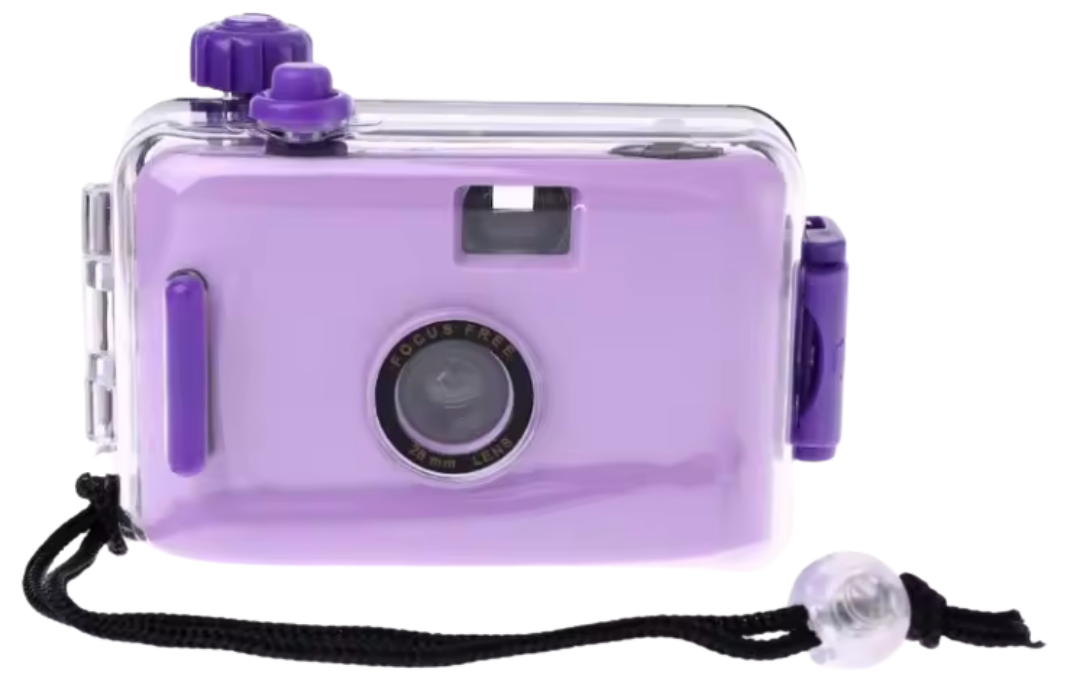
Why? Because it takes photos like this:
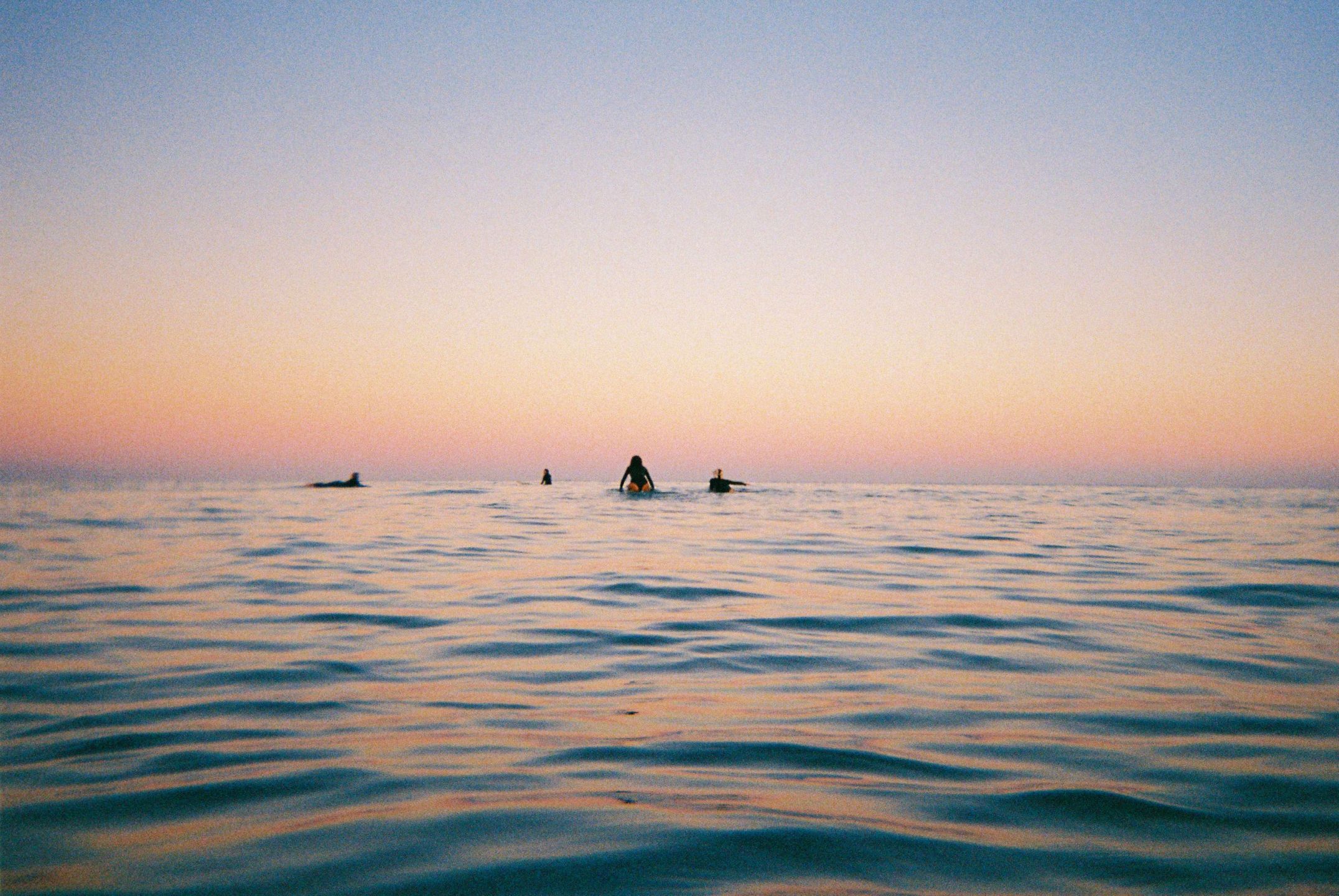
It's light, it floats around your wrist, and if a wave takes it, you've lost $9 instead of $3,000. That takes the pressure off so you can focus on what matters: getting comfortable in the water.
2. Nikonos V (best budget underwater film camera)
If you have a little more to spend, I recommend the Nikonos V. It was the very first camera I took into the ocean.
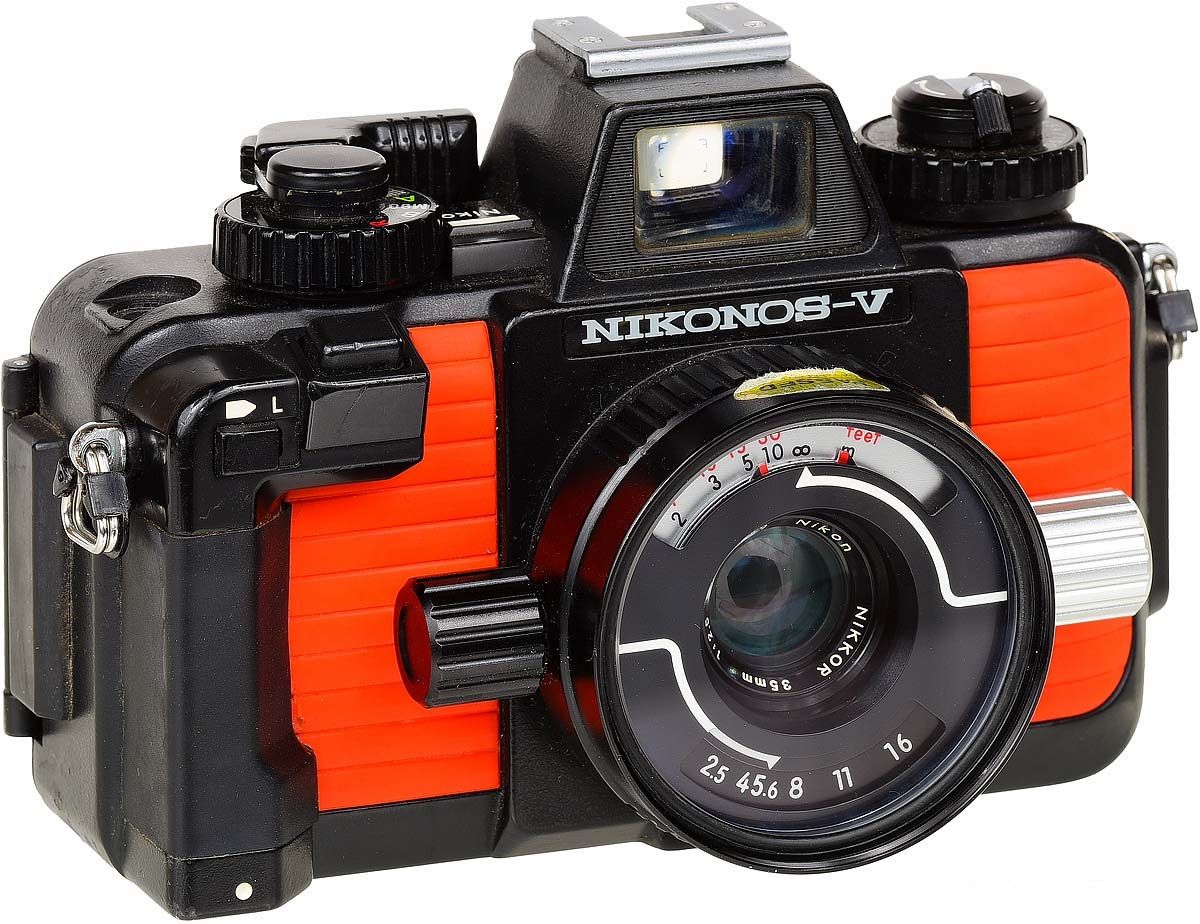
The Nikonos V is a waterproof 35mm film camera Nikon made for divers, so it doesn't need a separate housing. Look for one that comes with the 35mm lens.
Here's my favourite shot taken with the Nikonos V:
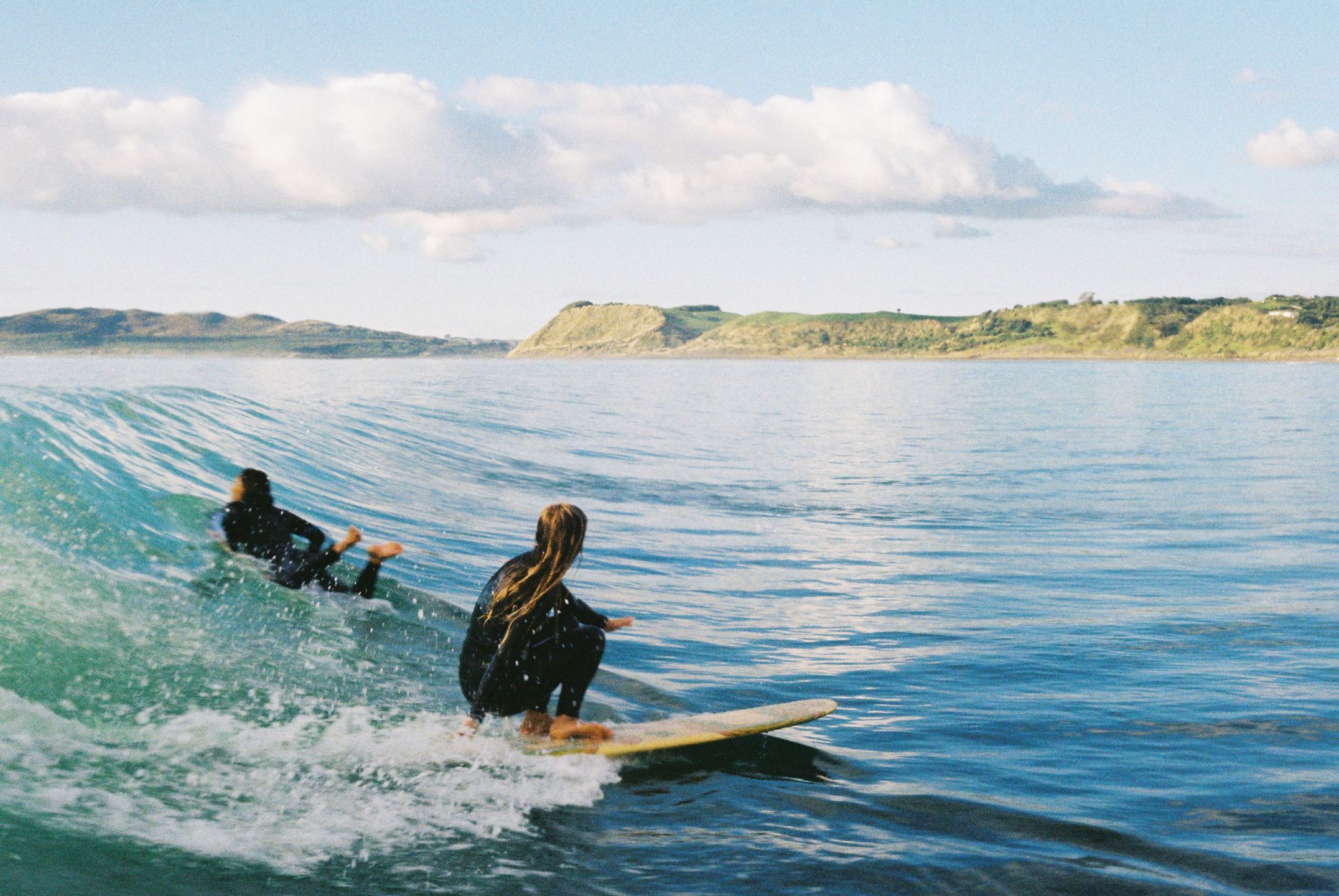
A note on film: options 1 and 2 are film cameras, so you'll need to buy film. I personally love shooting with Kodak Gold 200 35mm for those warm, golden tones.
3. JOBY SeaPal waterproof phone case (best for shooting digital on a budget)
If you have a bit more to spend and want to shoot digital, the JOBY SeaPal waterproof case (around $190) is a great option if you have an iPhone or Samsung.
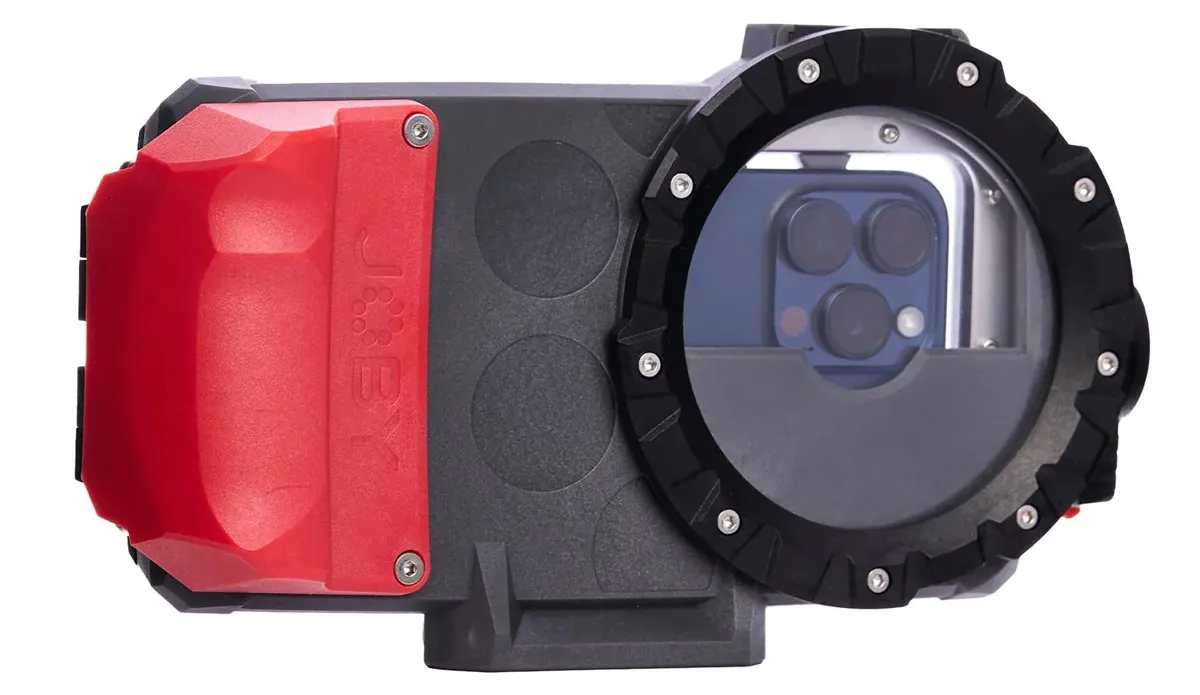
Your phone already takes amazing photos. This turns it into a water camera, and you can edit and share your shots straight from the beach.
4. GoPro (best action camera for surf photography)
Any action camera like the GoPro (around $215) is a great way to start surf photography on a budget.
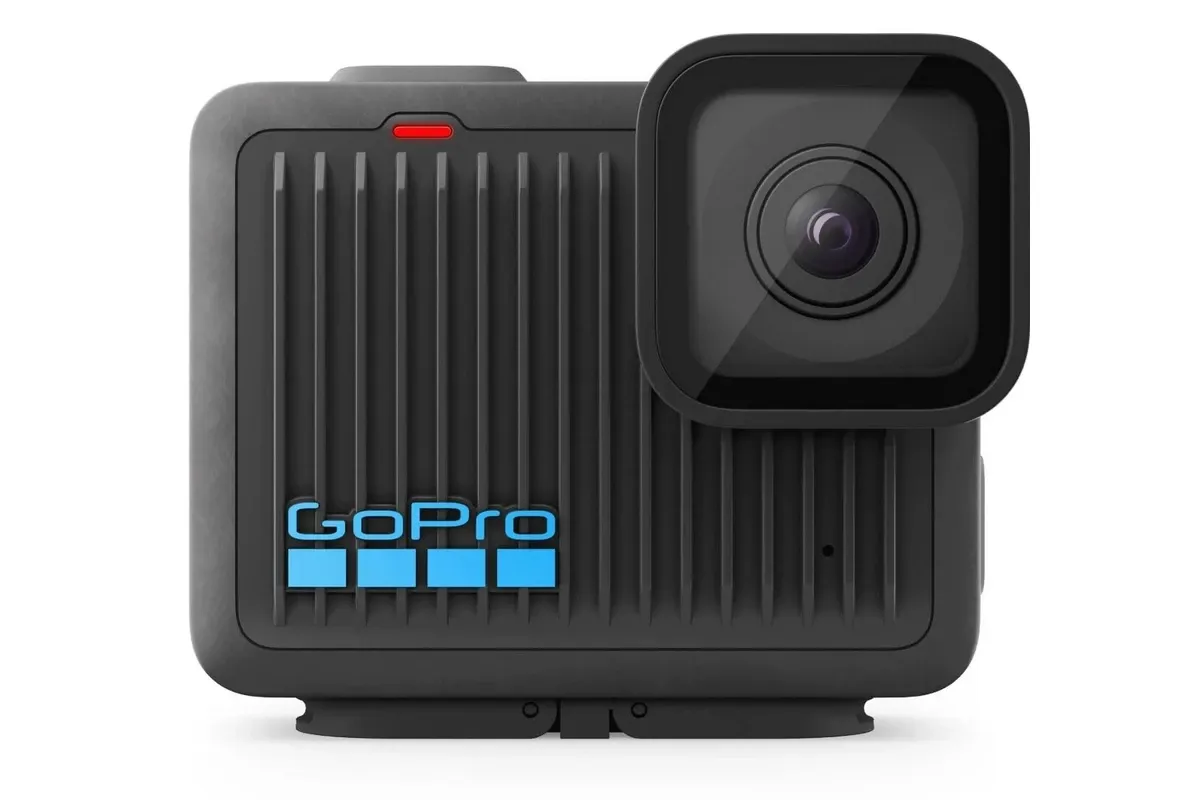
It's waterproof straight out of the box and shoots both photos and video. The wide lens means you need to get quite close to the surfer, that's mainly why I would recommend the Joby phone housing over a Gopro, because that one can zoom in.
Don't get stuck choosing. Just start with what you can afford right now. You can always upgrade later.
Your main job at this stage is to find out whether you actually love taking photos in the water. No camera can answer that for you. Only getting out there can.
5. Sony A6400 + water housing (when you're ready to upgrade)
If you decide you love surf photography and want to upgrade, this is the setup I recommend. It's what professional surf photographers use, without the top-end price.
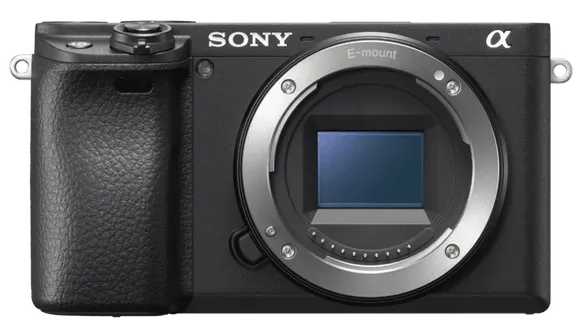
The camera: the Sony A6400 (around $900), or the Sony A7III if you can stretch a little further. The A7III is the camera I shoot with.
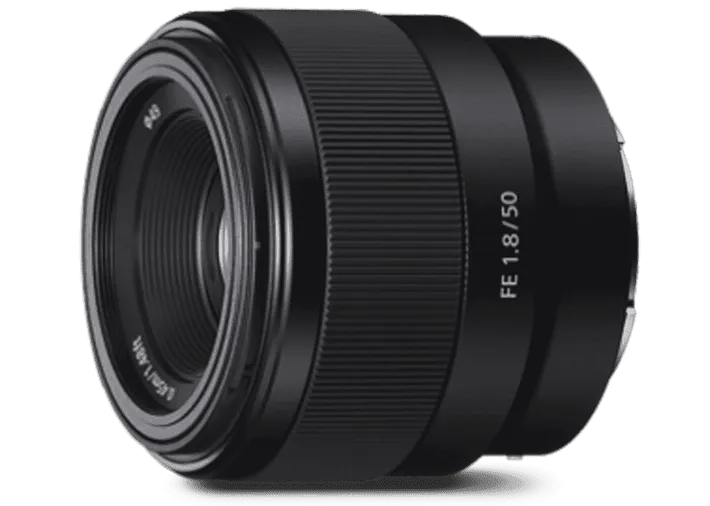
The lens: the Sony 50mm f/1.8 (around $250). It's the only lens I use, and it's great in the low light of early morning and sunset sessions.
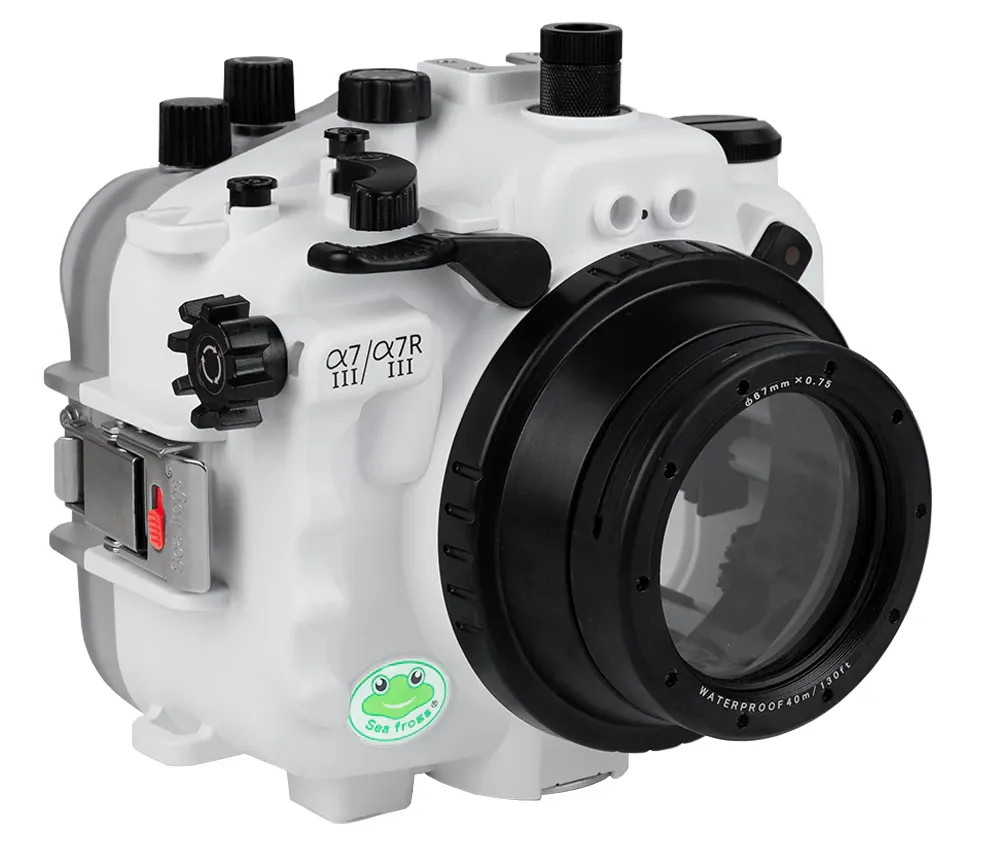
The housing: a SeaFrogs water housing (around $540). This keeps your camera dry in the surf for a fraction of what pro housings cost.
Now you're all set to get out there and shoot.
One honest warning: upgrading to digital felt like starting from scratch for me. My housing fogged up, I had water drops all over the lens, and my surfers came out blurry. The gear was right. I just didn't know how to use it in the ocean yet.
How I started surf photography on a budget
Five years ago, I'd just started surfing when my friend Matthew photographed me at my local break. The moment I saw those photos, I knew I wanted to do what he did: capture the beauty of the ocean and the feeling of surfing.
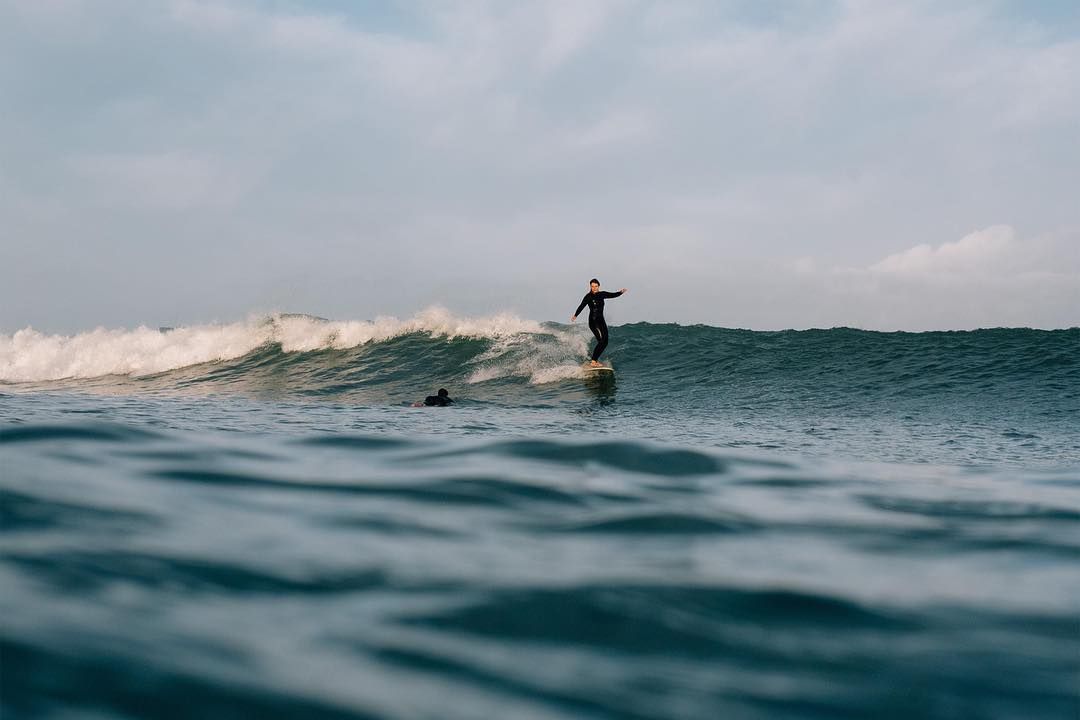
But I couldn't find gear I could afford. Matthew told me about the Nikonos V, so I went with that.
The next step was taking it into the ocean. Honestly, swimming out without a board felt really intimidating. So I shot from my surfboard instead.
After getting knocked in the head by my own camera a few times, I realised that wasn't the way. I needed to ditch the board and get some fins, but nobody could show me how.
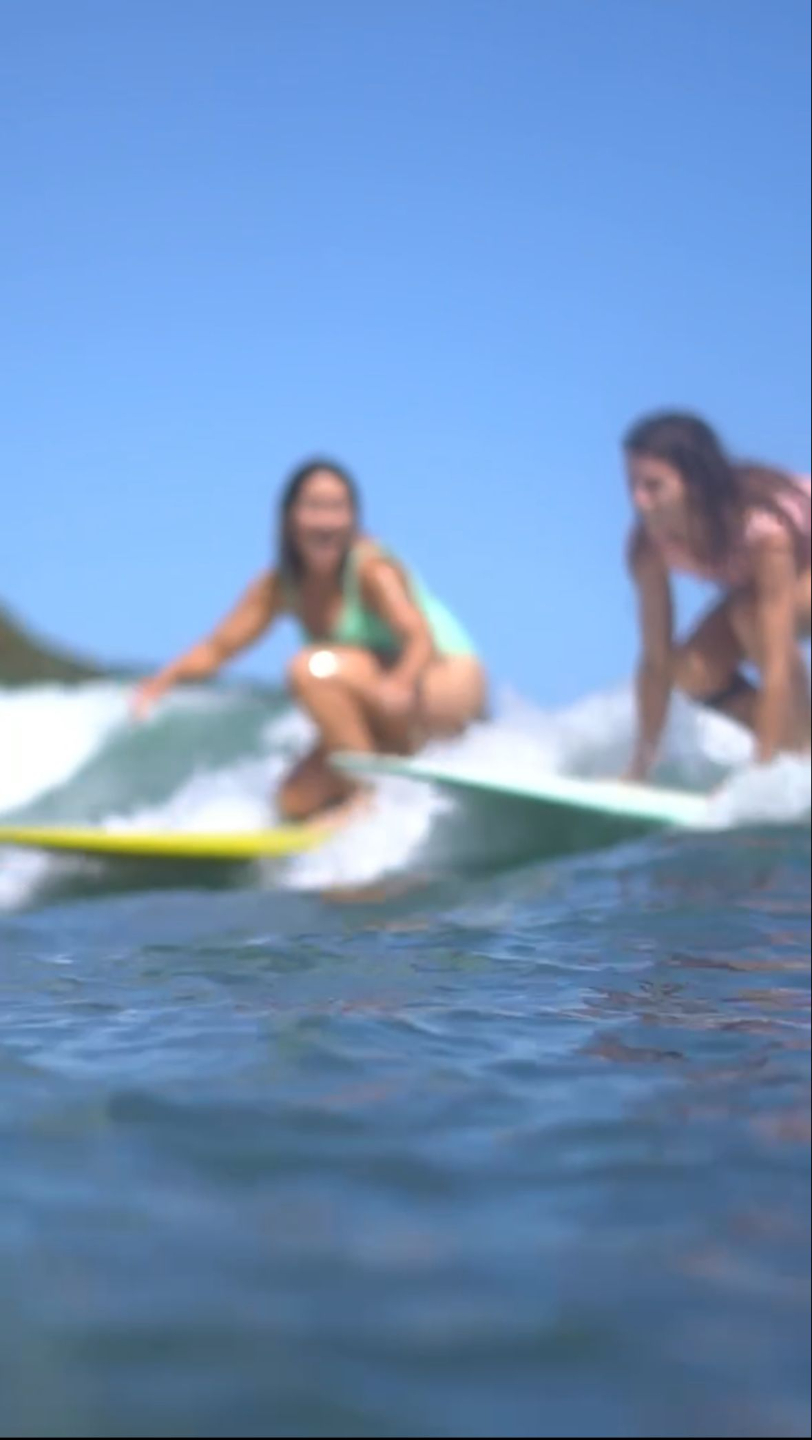
After a year of shooting from my board, I asked Matthew to swim out and shoot from the water. I loved the results, so I bought a digital camera and water housing. And I felt like I was starting from scratch all over again.
It took me another two years to go from blurry, foggy shots:
To the photos I take today:
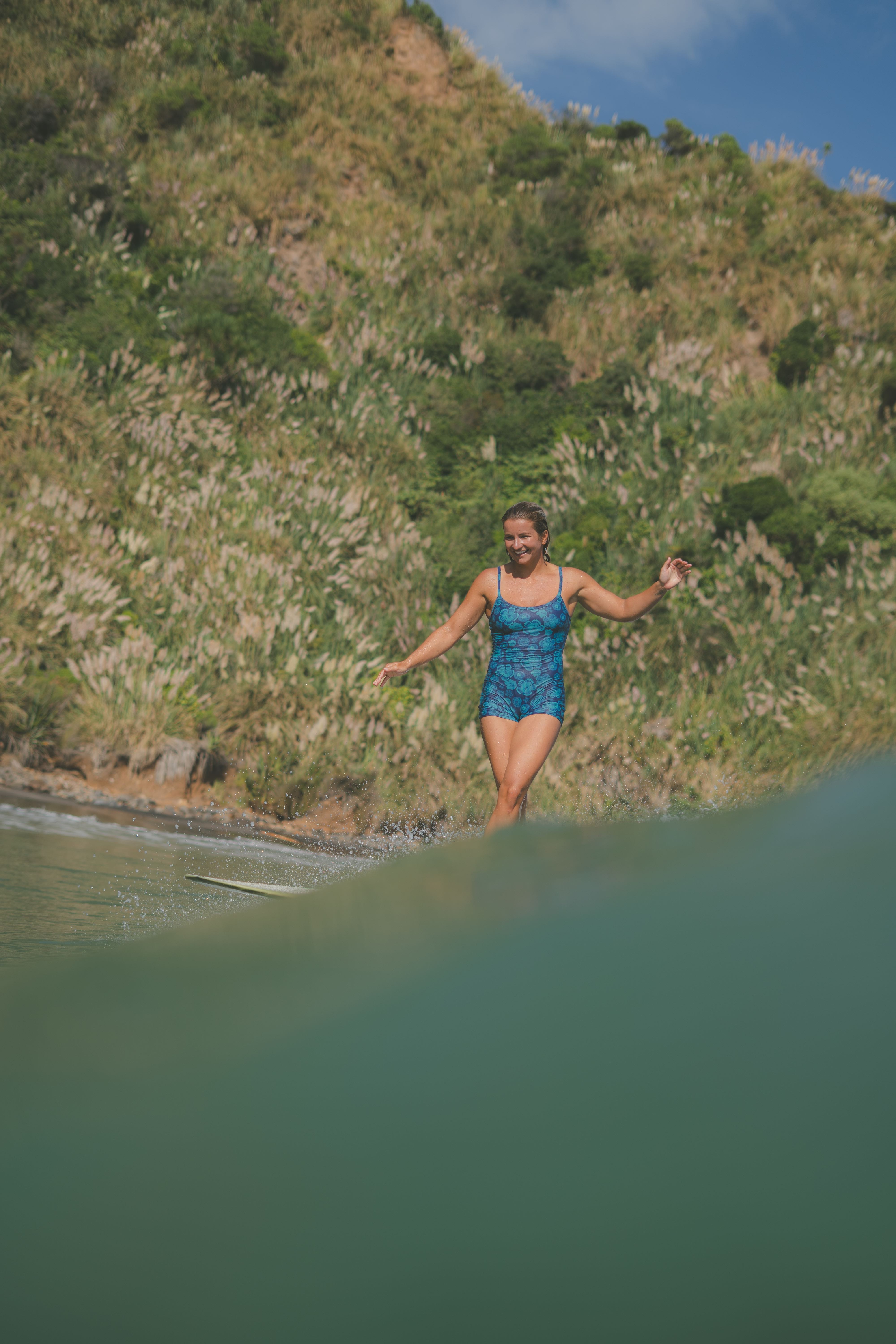
(same camera btw, just a better understanding of how to use my camera)
Since then, I've:
- Photographed 2,000+ women in the surf
- Had my work seen by millions of people
- Run 8 surf events around New Zealand and 8 surf retreats in Fiji, Lombok and the Philippines
- Taught 200+ women surf photography
When I started, I couldn't find a mentor to help me with any of this. I promised myself that if I ever figured it out, I would become the mentor for other women that I never had.
The camera is the easy part
Here's what nobody tells you: buying the camera is the easiest step. What actually stops most beginners is everything that happens once you're in the water:
- Which camera settings stop the surfer from coming out blurry
- Where to position yourself in the lineup without getting in anyone's way
- How to stay safe swimming out without a board
- How to stop your housing fogging and water drops ruining your shot
- How to edit your photos so they look like the ones you save on Pinterest
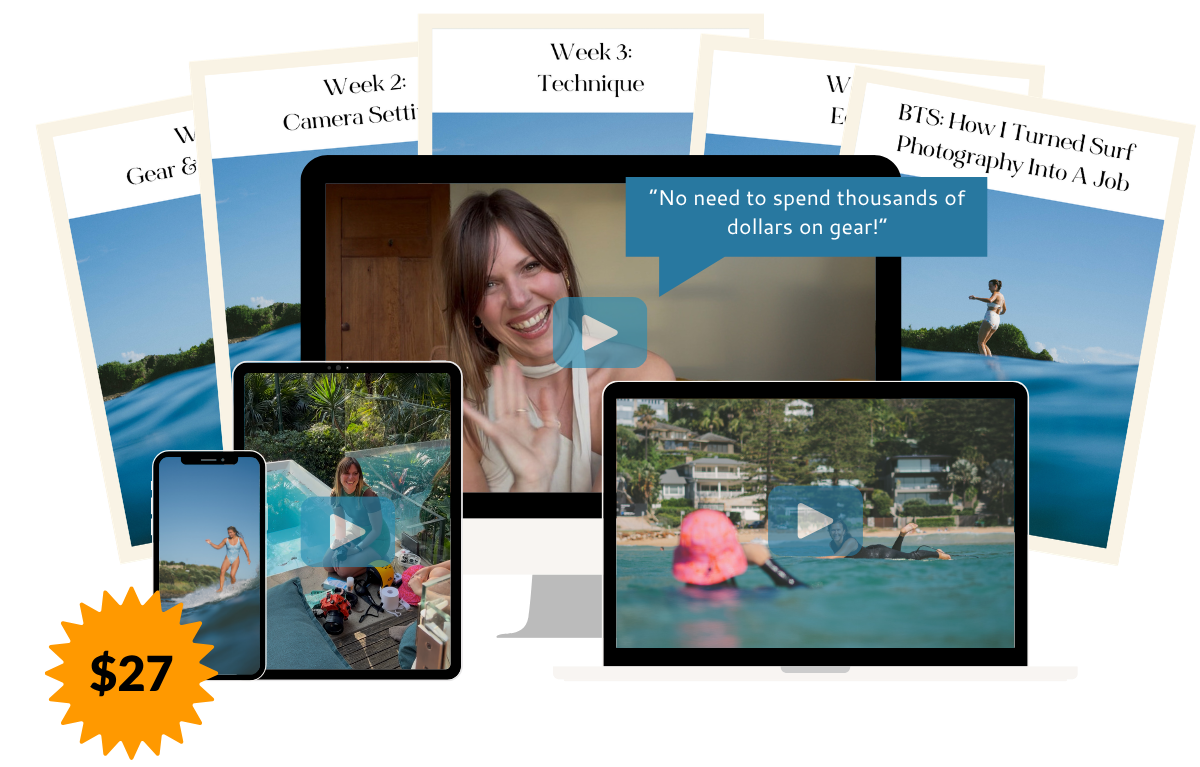
That's exactly what I teach in my course, Become a Confident Surf Photographer in 4 Weeks. It's everything I wish I'd known five years ago, for $27.
My students have gone on to shoot surf retreats in Fiji, land paying ocean-photography clients, shoot for the surf brands they love, and capture their own kids in the waves.
Ready to take your first surf photos with confidence? Join the course for $27
Not ready yet? Start with my FREE masterclass about starting surf photography on a budget
Prefer to learn in person? Check out my surf photography workshops.
xo Leonie
Surf photography FAQ
What is the cheapest camera for surf photography?
A waterproof film camera for around $9 is the cheapest way to start. It's a low-risk way to find out if you enjoy shooting in the water before spending more.
Can I start surf photography with my phone?
Yes. A waterproof phone case like the JOBY SeaPal turns your iPhone or Samsung into a water camera for around $190.
Is a GoPro good for surf photography?
A GoPro is a great budget option. It's waterproof without a housing and shoots photos and video, but its wide lens means you need to swim close to the surfer.
What camera do professional surf photographers use?
Most use a mirrorless camera in a water housing. I shoot with a Sony A7III, a 50mm f/1.8 lens and a SeaFrogs housing.
Do I need to be a strong swimmer to shoot surf photography?
You need to be comfortable in the ocean, but you don't need to be an elite swimmer. Start in small, gentle waves, wear fins, and build your confidence step by step. I cover water safety in detail in my surf photography course.
Do I need to know camera settings before I start?
No. Budget film cameras and GoPros have almost no settings to learn. When you upgrade to a camera like the Sony A6400, you'll need to learn shutter speed and focus, which the course walks you through.